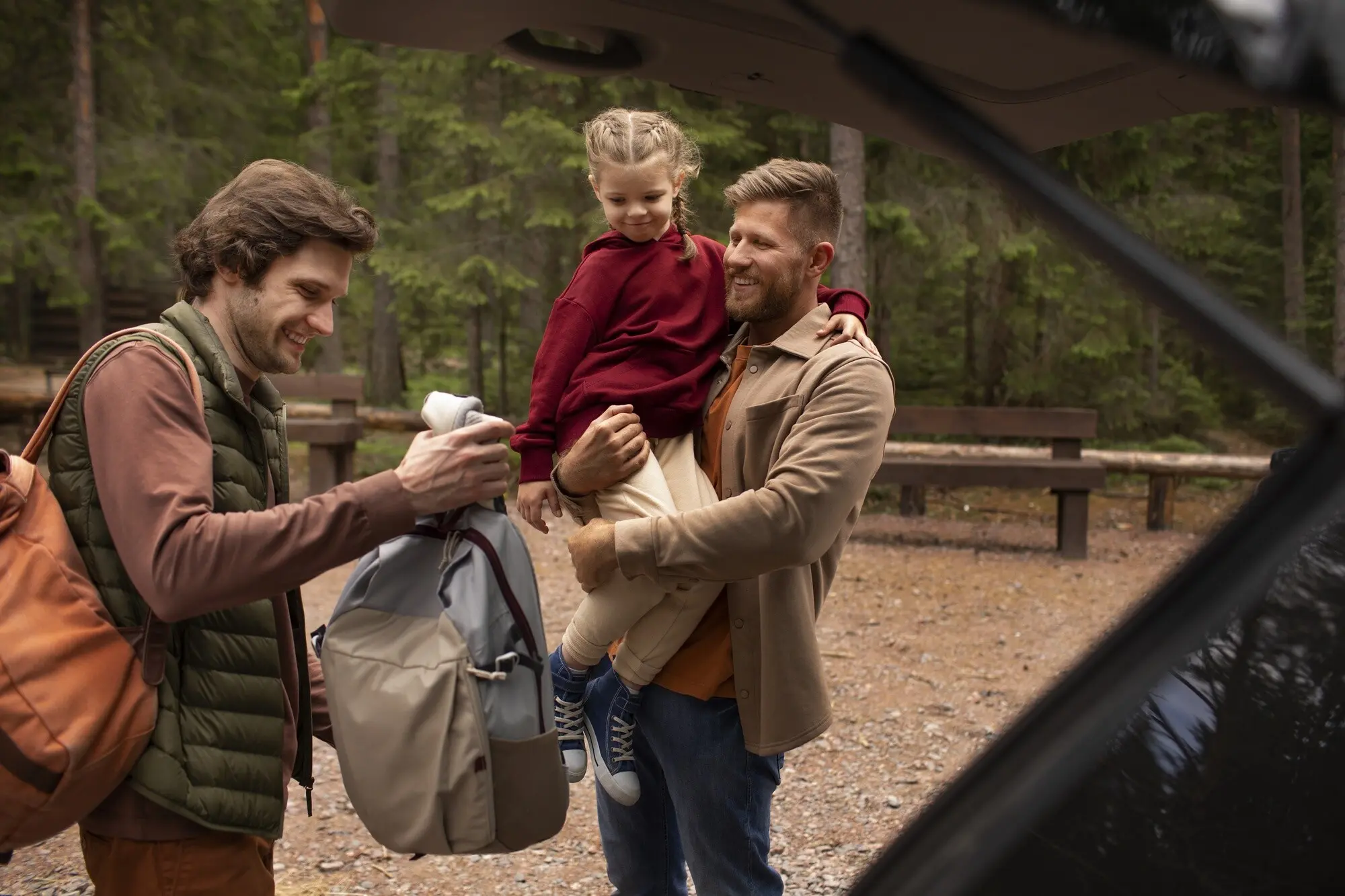
One-Hour Family Adventures with Playful Park Pauses

Join us for family-friendly hourlong nature walks with park play stops, blending gentle trails, curious discoveries, and joyful playground breaks into a perfectly paced outing. We’ll help you choose simple loops near swings and slides, set an easy rhythm for little legs, and weave mini-games, stories, and learning moments into every step. Expect practical packing tips, creative rest rituals, and ways to motivate different ages without stress. By the end, you’ll feel confident planning a delightful sixty-minute stroll that ends with tired giggles, fresh memories, and dirt-under-the-nails satisfaction.

Planning the Perfect Hour

A successful sixty minutes starts with a clear, flexible plan. Look for a loop or lollipop route between one and two miles, depending on kids’ ages and terrain, with a playground near the midpoint or finish. Favor wide, well-marked paths where strollers or small scooters can manage bumps. Build in two short breaks, keep expectations playful, and remember that detours to inspect a beetle are victories, not delays. With a simple map, a gentle pace, and a celebratory swing stop, the hour feels purposeful and wonderfully light.

Map a Loop That Ends in Smiles

Loops feel like adventures with a satisfying return that avoids backtracking boredom. Choose routes circling a pond, weaving through meadows, or hugging a shady greenway, and make the playground either a midway reward or grand finale. Print or save a simple offline map, mark two observation spots to spark curiosity, and identify a brief, scenic bench break. Short distance, predictable landmarks, and playful anticipation transform the walk into an engaging, time-bound journey that keeps energy high and whining low.

Set a Kid-Friendly Pace and Milestones

Plan for a relaxed speed—often twenty to thirty minutes per mile with preschoolers, faster with older kids, slower with strollers or hills. Sprinkle in cheerful milestones: reach the big oak, listen for a woodpecker, count three bridges. Use a timer to suggest gentle resets every fifteen minutes, offering a sip, stretch, or photo moment. Celebrate small wins with stickers or nature journal sketches. By framing distance as a series of playful checkpoints, the hour becomes an uplifting sequence rather than a grind.

Check Weather, Facilities, and Quiet Times

Scan the forecast for heat, wind, or drizzle, and aim for cooler morning or golden-hour light. Confirm restroom availability, water fountains, and shaded picnic areas, especially when tiny bladders or snack breaks are nonnegotiable. If the playground is popular, pick off-peak times to avoid long waits and sensory overload. Bring a light layer, sunscreen, insect repellent, and a simple rain plan. Calm, predictable conditions help children explore, notice details, and practice patience, turning your walk into a confidence-building routine everyone requests again.

Safety, Comfort, and Confidence
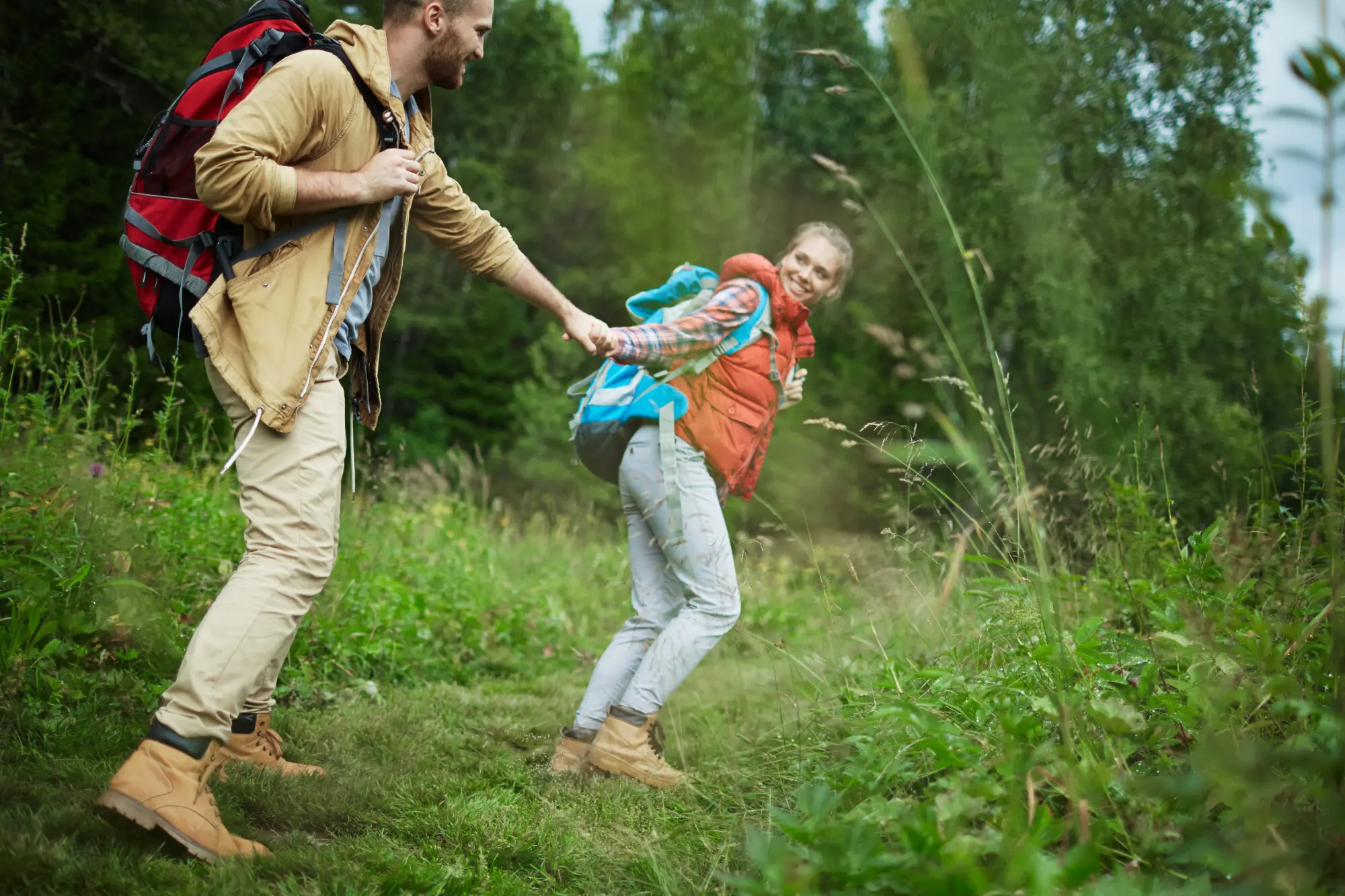
Comfort opens the door to curiosity. Dress in layers that breathe, move, and shed easily, and choose shoes with grippy soles that make roots and gravel feel friendly. Pack a tiny first-aid kit, a charged phone, and a loud whistle for attention. Rehearse simple buddy rules and meeting points, keep water handy, and carry a light snack. When bodies feel safe and needs stay predictable, children roam within boundaries, ask better questions, and transform ordinary trails into living classrooms that foster resilience and calm bravery.

Paths with Purpose: Learning in Motion

Blend movement with curiosity by weaving science, storytelling, and simple counting games into every bend. Turn tree bark into a texture museum, puddles into mirror laboratories, and bird calls into neighborhood songs. Encourage kids to predict what comes around the next turn, sketch quick shapes of leaves, or compare shadows at different times. Short, focused prompts keep brains buzzing while feet keep moving. Learning feels like play, and play unlocks attention, making that one-hour window surprisingly rich, memorable, and gently educational for everyone.

Micro-Safari: Tiny Wonders at Kid Height

Invite children to crouch and look closely at worlds adults often step past: ant highways, lichens painting bark, mossy cushions that sparkle after rain. Hand them a magnifying lens and a simple prompt—three textures, two colors, one question. Record discoveries in a pocket notebook, adding a quick sketch or invented creature name. Observing little worlds cultivates patience, empathy, and careful footsteps. The trail slows in the best way, and your hour stretches wonderfully, filled with awe that fits in the palm of a hand.

Story Steps: Narratives That Move Forward

Tell a walking story that advances with each landmark: the stream introduces a whispering guide, the bridge hides a riddle, the playground slide becomes a dragon’s friendly tail. Let kids choose characters, conflicts, and sound effects, then solve problems by reaching the next marker. Story prompts keep momentum steady during mild climbs or longer stretches. Children learn pacing, sequencing, and collaboration while feet stay busy. By the playground, your invented heroes bow, laughter erupts, and the return stroll echoes with favorite lines.

Playground Interludes That Spark Joy

Treat the playground as a purposeful intermission, not a chaotic free-for-all. Aim for a ten-to-fifteen-minute pause that rewards effort, restores attention, and resets moods. Choose elements that complement the walk: balance beams to mirror logs, gentle climbing to echo hills, swings to re-center breathing. Establish clear start-and-finish signals, sip water, and notice how bodies feel stronger after moving. The play stop becomes a motivational beacon on the map, linking exploration and celebration so the final stretch feels buoyant rather than begrudging.

Midway Motivation: The Golden Pause

Place the play stop near your halfway marker, announced with cheerful anticipation rather than bargaining. Use a timer kids can see, invite one focused challenge, then switch to a calming sway on the swings. Pair a reflective question—What surprised you?—with a small sip and slow breath. Ending on a cooperative moment makes leaving easier. Returning to the trail, legs feel lively and minds reset. That structured, kind pause prevents meltdowns, reframes fatigue, and binds the hour together with rhythm and kindness.

Games That Refuel Without Exhausting

Pick low-impact options that recharge instead of draining: slow slide descents counting breaths, balance-beam walks with soft knees, or gentle sand tracing with storytelling shapes. Avoid high-intensity chases that spike heart rates before the return walk. Make space for quietly joyful play—cloud spotting from a platform, counting swing arcs, or listening for distant dogs. When play feels restorative, children step back onto the path calm, curious, and ready. The final minutes flow, discoveries reappear, and goodbye waves happen with relaxed, happy faces.

Inclusive Play for Different Ages and Abilities

Design the pause so everyone participates meaningfully. Let older kids become playful coaches, spotting safe footholds and inventing cooperative goals. Offer tactile options—textured panels, musical elements, soft surface exploration—for sensory seekers. Keep strollers within view, create seated games for tired legs, and rotate stations to share favorites. Inclusion deepens belonging, prevents sibling friction, and models empathy as a practical skill. When each child owns part of the fun, the group naturally supports the last stretch, humming with shared pride and gentle teamwork.

Snacks, Hydration, and Energy Pacing

Fuel is your quiet co-leader. Offer small, regular sips of water and steady, handheld bites that do not demand messy stops. Pair nibbles with mini landmarks, using food as gentle reinforcement rather than urgent fixes. Choose snacks that stay tasty in a warm pocket and respect allergies. Encourage mindful tasting—sweet, salty, crunchy—and check how bodies feel ten minutes later. Hydration, slow sugar, and protein together keep moods even, feet cooperative, and curiosity open, turning the hour into smooth, resilient movement instead of spike-and-crash surprises.

Memories, Community, and Next Steps

Capture little victories so they blossom into traditions. Snap two candid photos, record a fifteen-second sound of wind or laughter, and add a sticker to a shared trail passport. Over cocoa at home, invite a rose-bud-thorn reflection—favorite part, something new, one challenge. Share a tip in the comments, recommend a park, or ask a question for our next route. Subscribe to get fresh ideas and printable prompts. Collective wisdom strengthens courage, and your family’s hour becomes a joyful spark others can follow confidently.